
Currently Empty: €0.00
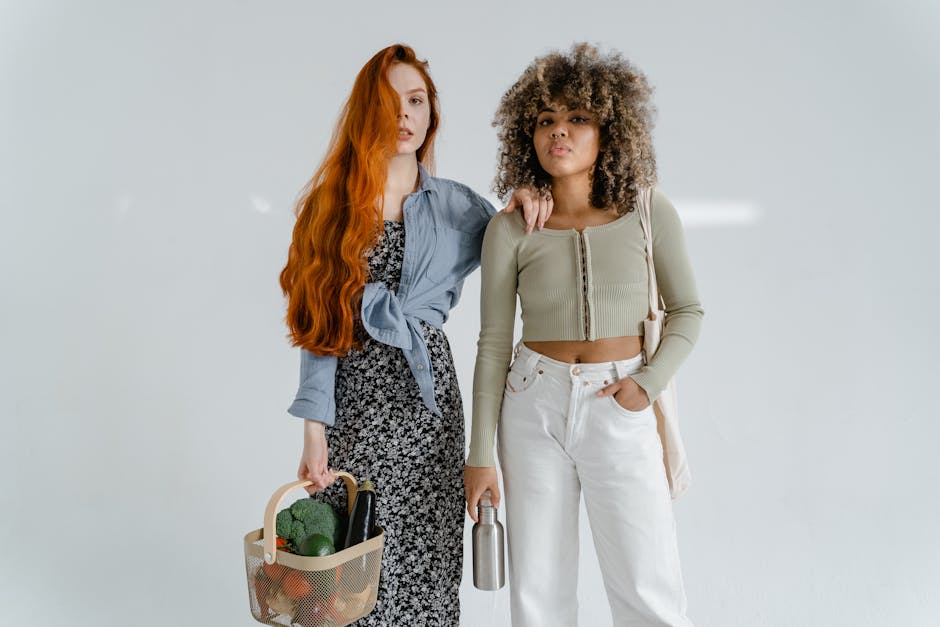
Meet Sarah, a 28-year-old marketing professional living in a bustling city. Like many of us, Sarah has always had a passion for fashion, but over the years, she found herself drowning in a sea of clothes that she rarely wore. Her closet was bursting at the seams with fast fashion items that she had purchased on a whim, often at the expense of her budget and the environment. One day, while scrolling through social media, she stumbled upon a post about sustainable fashion. Intrigued, she decided it was time to make a change.
Sarah’s first challenge was to declutter her closet. She realized that many of her clothes still had tags on them, a testament to impulsive shopping. With a heavy heart, she began the process of sorting through her wardrobe. She created three piles: keep, donate, and recycle. The keep pile was small, consisting of timeless pieces that she truly loved and wore regularly. The donate pile was filled with items that were still in good condition but no longer suited her style. The recycle pile contained worn-out clothes that could not be salvaged.
As she sorted through her clothes, Sarah learned about the impact of fast fashion on the environment. She discovered that the fashion industry is one of the largest polluters in the world, contributing to water pollution and excessive waste. This realization fueled her desire to make more conscious choices moving forward.
Next, Sarah set out to educate herself about sustainable fashion. She read articles, watched documentaries, and followed eco-conscious influencers on social media. She learned about brands that prioritize ethical production, use sustainable materials, and promote fair labor practices. Armed with this knowledge, she felt empowered to make informed purchasing decisions.
One of the biggest obstacles Sarah faced was the misconception that sustainable fashion is always expensive. She was pleasantly surprised to find that there are many budget-friendly options available. Thrift stores became her new favorite shopping destination. She discovered unique, high-quality pieces that not only fit her style but also came with a story. Each item she found felt like a treasure, and she loved the thrill of the hunt.
Sarah also embraced the DIY approach. She began to upcycle some of her old clothes, transforming them into something new and exciting. A pair of jeans that had seen better days became a trendy pair of cut-off shorts, and an oversized t-shirt was turned into a stylish tote bag. Not only did this save her money, but it also allowed her to express her creativity.
As she navigated her journey towards sustainable fashion, Sarah also learned to appreciate the value of quality over quantity. She started investing in a few key pieces that were versatile and durable, rather than filling her closet with cheap, trendy items that would quickly go out of style. This shift in mindset not only helped her save money in the long run but also made her wardrobe feel more cohesive.
Sarah’s transformation didn’t stop at her own wardrobe. Inspired by her journey, she began to share her experiences with friends and family. She organized clothing swaps, where everyone could bring their unwanted clothes and exchange them for something new to them. This not only fostered a sense of community but also encouraged others to think about their fashion choices.
Lesson learned: Fashion doesn’t have to come at the expense of the planet or your wallet. By making conscious choices, embracing creativity, and valuing quality, you can transform your wardrobe into a sustainable haven. Sarah’s story is a reminder that small changes can lead to a significant impact, both personally and environmentally. So, whether you’re a fashionista or a casual dresser, consider taking a step towards sustainability in your wardrobe. Your closet—and the planet—will thank you.

 2021-2026 Green Sharke | Operated by FASHION HOMES LIMITED