
Currently Empty: €0.00
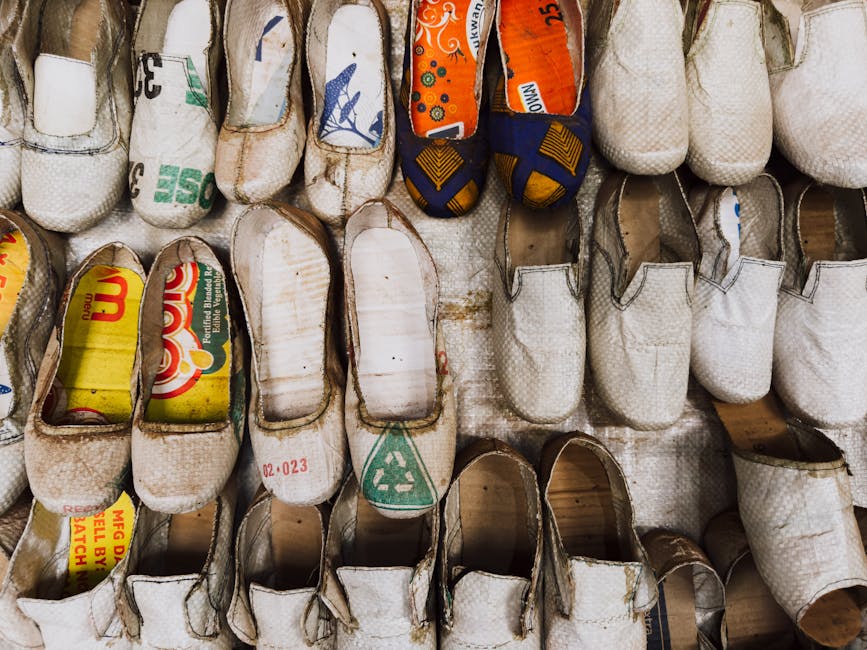
In a world where fast fashion dominates, the call for sustainable fashion has never been more urgent. As consumers, we hold the power to influence the industry by making eco-conscious decisions that not only reflect our personal style but also contribute to a healthier planet. This article explores the importance of sustainable fashion, offers practical tips for incorporating eco-friendly choices into your wardrobe, and highlights the significance of ethical sourcing and certifications like Fair Trade.
Sustainable fashion is not just a trend; it’s a movement towards a more responsible way of consuming clothing. The fashion industry is one of the largest polluters in the world, contributing to water pollution, excessive waste, and carbon emissions. By choosing sustainable options, we can reduce our environmental footprint and promote a circular economy where clothing is designed to last, be reused, and recycled.
One of the most effective ways to embrace sustainable fashion is to invest in quality over quantity. Instead of purchasing multiple fast fashion items that may only last a season, consider buying fewer pieces that are made from sustainable materials and crafted with care. Look for clothing made from organic cotton, Tencel, or recycled fabrics. These materials not only reduce the environmental impact of clothing production but also often provide better comfort and durability.
Another essential aspect of sustainable fashion is ethical sourcing. This means supporting brands that prioritize fair labor practices and ensure that workers are paid fairly and work in safe conditions. Certifications like Fair Trade play a crucial role in this process. Fair Trade certification guarantees that the products you purchase meet rigorous social, economic, and environmental standards. When you buy Fair Trade clothing, you can trust that the workers involved in the production process are treated with respect and dignity, which fosters buyer trust and loyalty.
In addition to supporting ethical brands, consider exploring the world of second-hand shopping. Thrift stores, consignment shops, and online resale platforms offer a treasure trove of unique finds while keeping clothing out of landfills. Shopping second-hand not only saves money but also allows you to express your individuality through one-of-a-kind pieces. Plus, it’s a fantastic way to reduce the demand for new clothing production.
DIY fashion is another exciting avenue for sustainable style. Instead of discarding old or damaged clothing, consider upcycling or repurposing them into something new. Whether it’s turning an old pair of jeans into a trendy bag or transforming a vintage dress into a modern skirt, DIY projects can be a fun and creative way to breathe new life into your wardrobe. There are countless tutorials available online to guide you through the process, making it accessible for everyone.
As we navigate the ever-evolving landscape of fashion trends, it’s essential to remain mindful of our choices. Trends come and go, but sustainable fashion is about creating a timeless wardrobe that reflects your values. Invest in classic pieces that can be styled in various ways, allowing you to adapt to changing trends without constantly buying new items. This approach not only saves money but also promotes a more sustainable lifestyle.
In conclusion, embracing sustainable fashion is a powerful way to make a positive impact on the environment and society. By prioritizing eco-conscious decisions, supporting ethical brands, and exploring second-hand and DIY options, we can redefine our relationship with clothing. Remember, every purchase is a vote for the kind of world we want to live in. Let’s choose wisely and advocate for a fashion industry that values sustainability and ethical practices. Together, we can make a difference, one outfit at a time.

 2021-2026 Green Sharke | Operated by FASHION HOMES LIMITED